
Designing a Life Before Choosing a House
Before I started looking at properties, I wasn’t thinking about houses.
I was thinking about how I wanted to live.
I had lived in cities.
I had lived in different countries.
And I knew one thing clearly—
I didn’t want to spend a large amount of money on a small space in a crowded city like Seoul.
Instead, I wanted space.
Not just inside the house, but outside as well.
A place where life could expand.
What I Was Looking For
When I started searching for an akiya, I had a few clear conditions.
Space was the most important factor.
- Enough indoor space to create multiple rooms
- Outdoor space for gardening, working, and building
- Distance from neighbors so I wouldn’t have to worry about noise
I didn’t want to feel restricted.
I wanted a place where I could work freely, build freely, and live without constantly thinking about the people next door.
Why I Avoided the Main Town
At first, it might seem natural to look for a house in the main town.
But I intentionally avoided it.
Traditional towns in Japan are beautiful—but they are also dense.
Houses are built very close to each other.
For the kind of life I was imagining, that didn’t work.
I needed:
- More breathing space
- More freedom in how I use the property
- Less concern about disturbing neighbors
So I filtered those areas out early in the process.

Balancing Nature and Accessibility
At the same time, I didn’t want to go too deep into the mountains.
Living completely isolated sounds appealing—but realistically, it creates challenges.
Thinking about the future:
- Daily shopping
- Work commute
- Raising kids
Accessibility mattered.
I needed a place where:
- The town is reachable within minutes
- Daily life remains practical
- Nature is still all around

The Place That Checked Everything
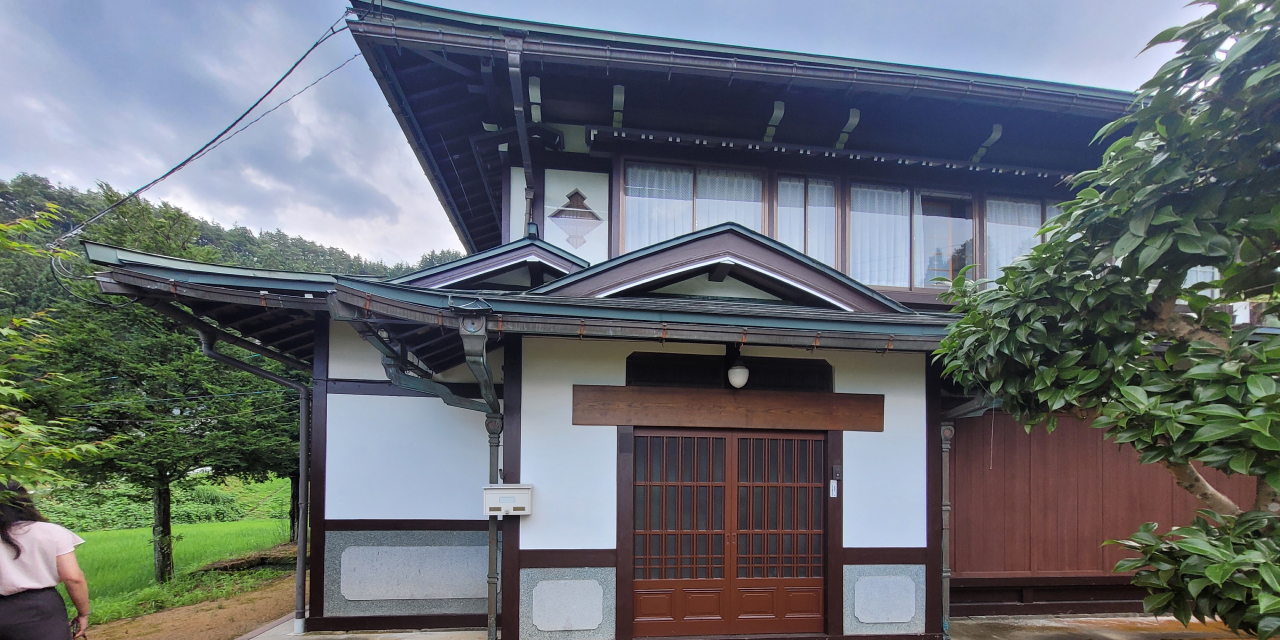
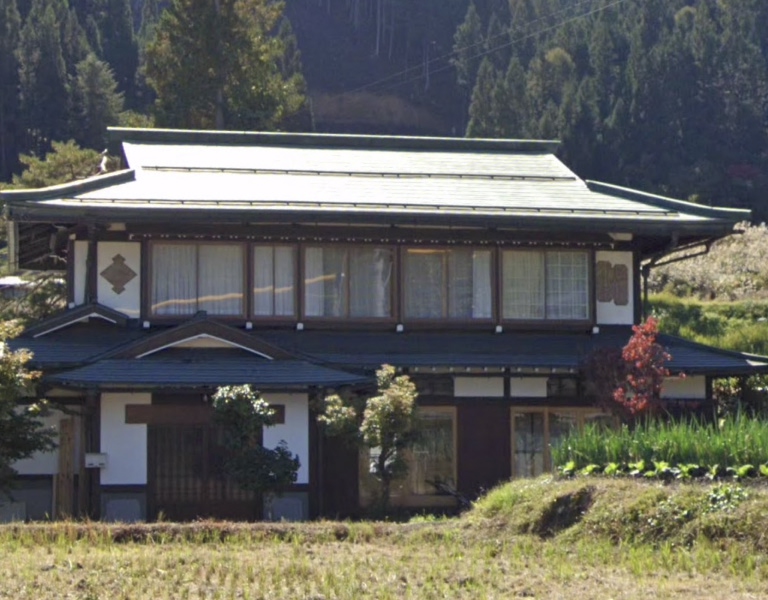
Eventually, I found the place that matched everything I had in mind.
- 11 rooms
- A rice paddy
- A vegetable garden
- A garage for two cars
- A kura (traditional storage building)
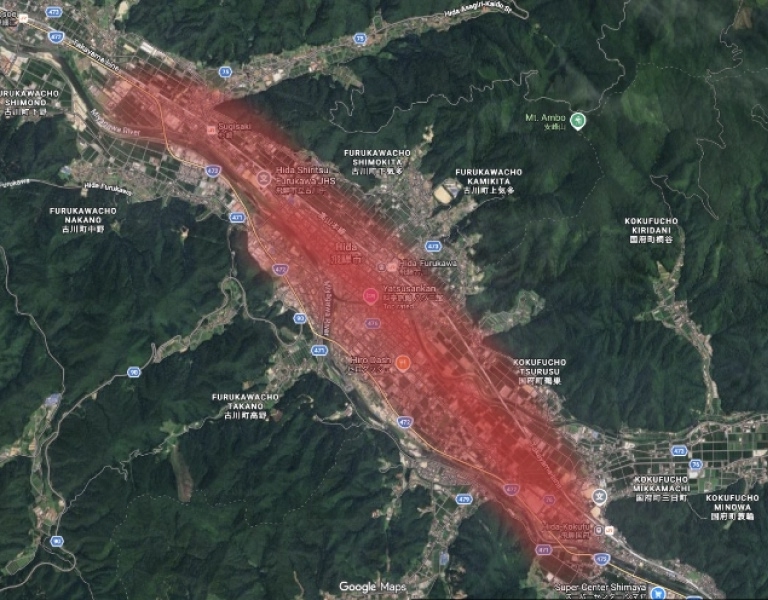
The location was exactly right:
- Supermarket: 3 minutes by car
- Convenience stores: 3 minutes
- My wife’s workplace: 20 minutes
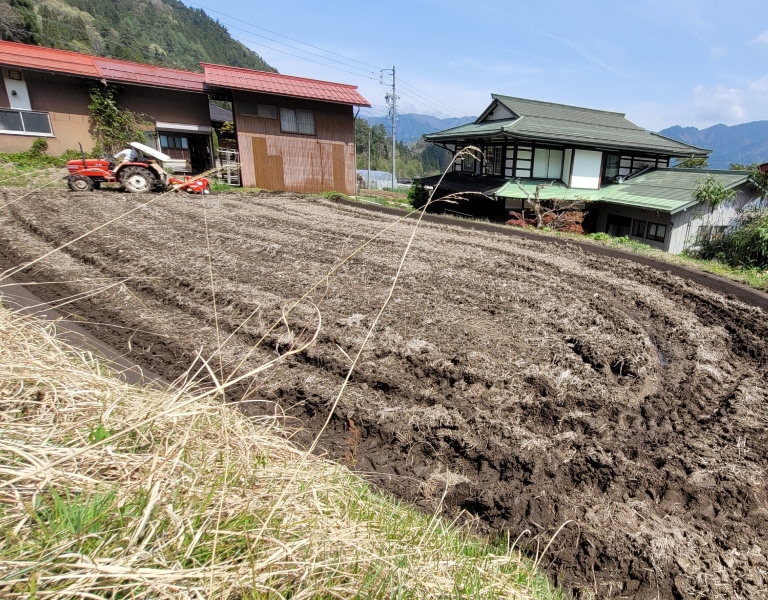
The neighbors were there—but separated by rice paddies.
There was distance. Space. Privacy.
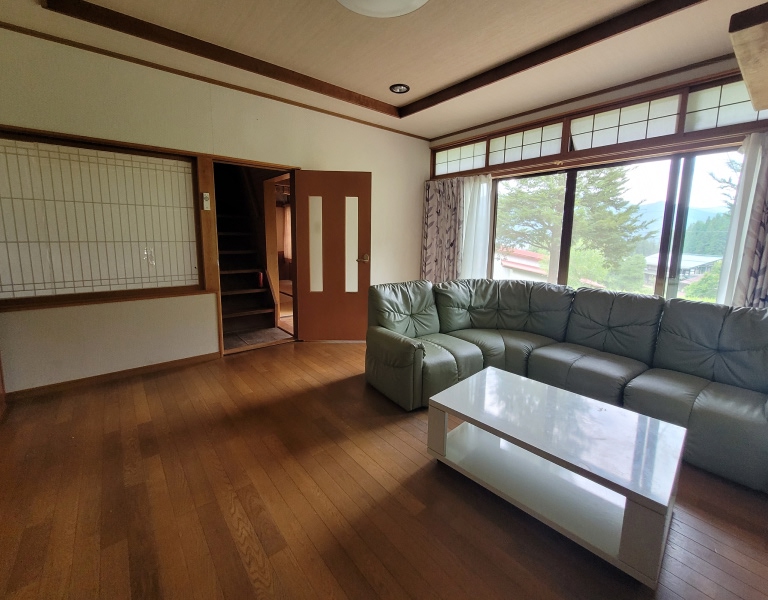
The condition of the house was also good.

Knowing It Was the One
We didn’t need to see many properties.
This one checked every box.
It had the space.
It had the balance between nature and convenience.
It had the potential to become the kind of life I was imagining.
And the price made sense.
So we made the decision.
The Condition of the House
Another important factor was the condition of the house.
Many akiya require significant repairs before they become livable.
But this house was different.
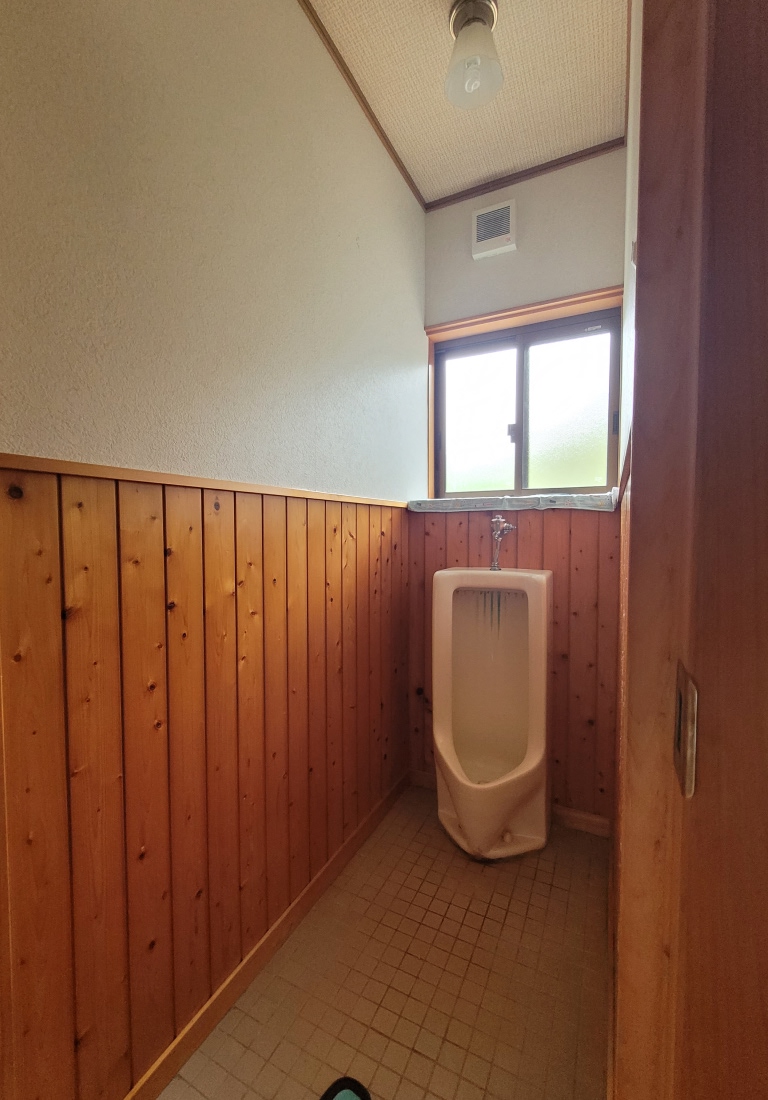
There were no major issues.
- The bathroom was functional
- The toilet was in good condition
- The kitchen was usable
- The bedrooms were already livable
It wasn’t a project that needed to start from zero.
I could move in and start living right away—while improving it over time.
That made a big difference.
Not just financially, but mentally.
It allowed me to focus on building the lifestyle I wanted, instead of being overwhelmed by immediate renovations.

What Comes Next
This was just the beginning.
In the next post, I’ll go into the actual process:
- Financing
- Paperwork
- Challenges I didn’t expect
- What it really takes to buy an akiya in Japan
And after that, I’ll share what changed after living here for a year.








More Blog Posts


Begin your project with us
Whether renovation, furniture, or design, we are ready to listen to your vision